From Dirt Roads to Driveways: Watching Tehaleh Grow Up
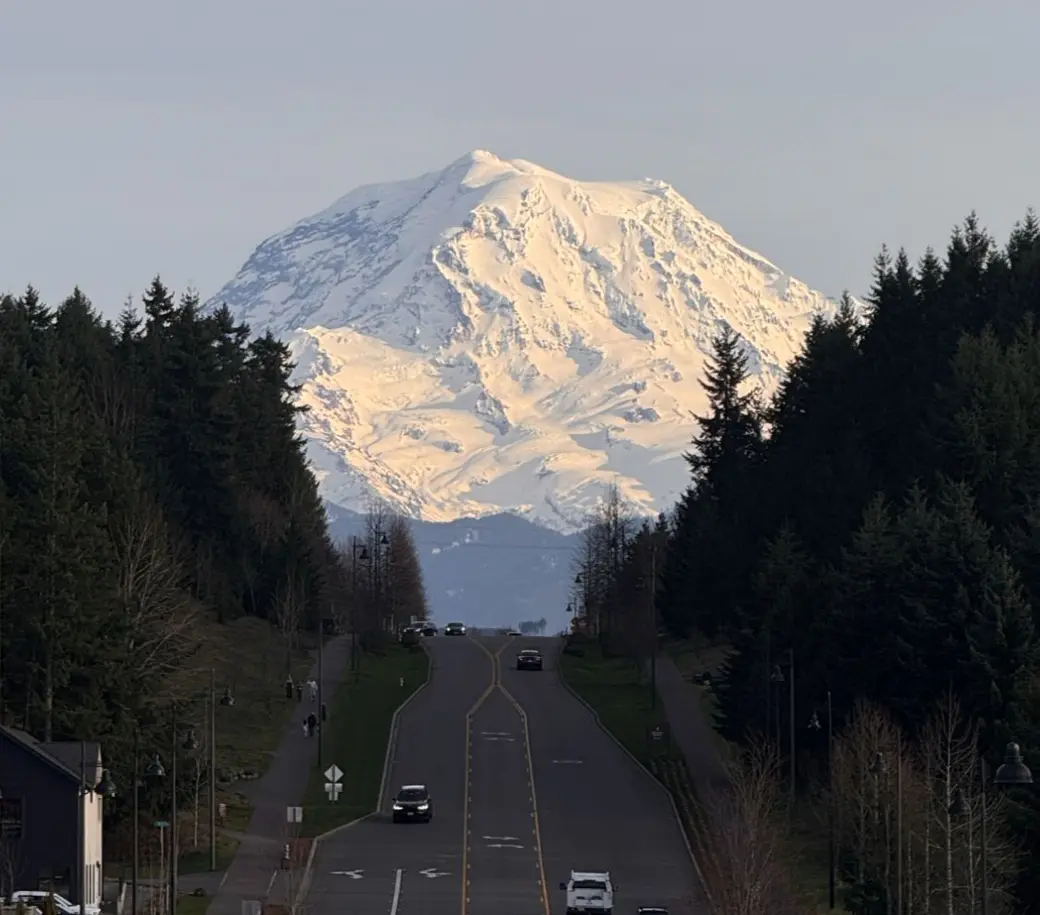
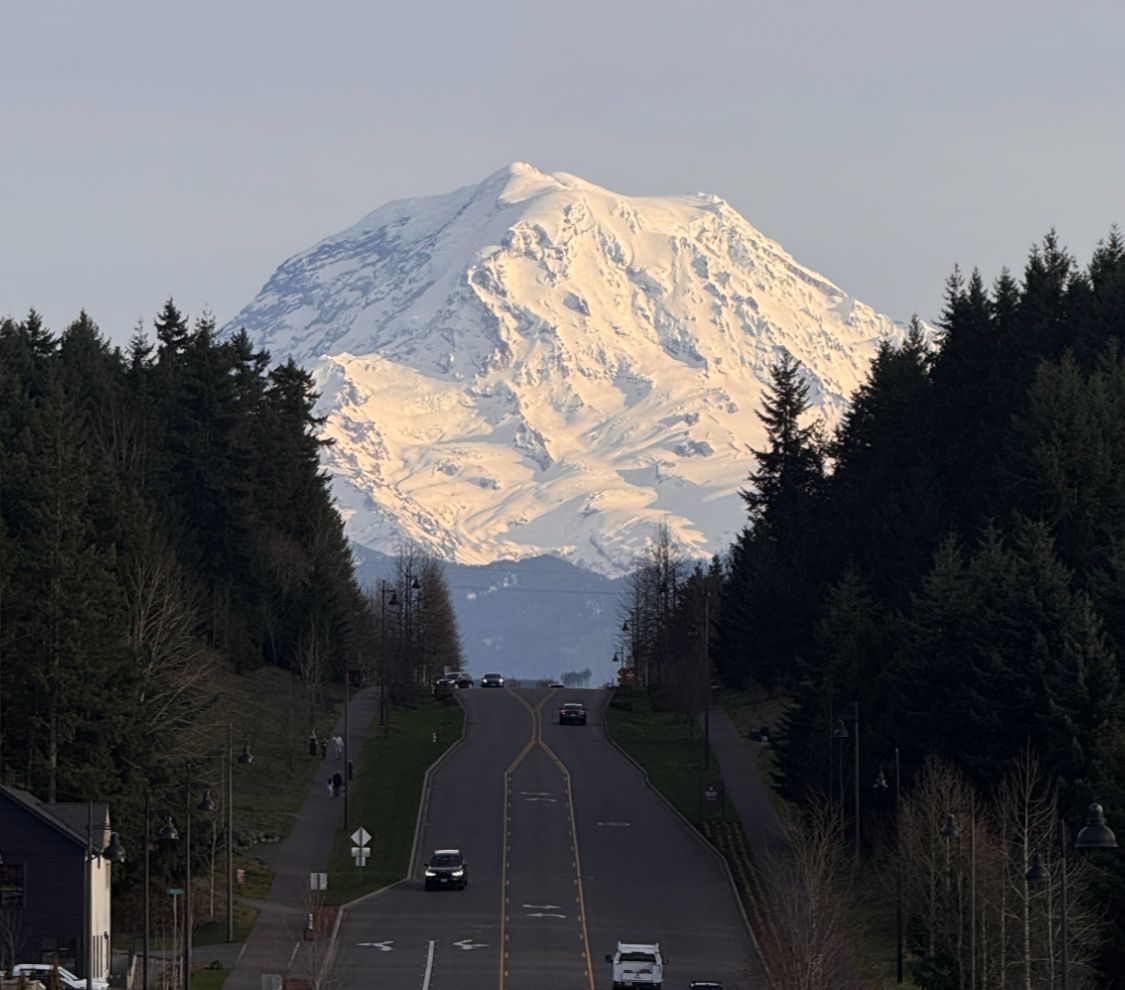
There was a time when Bonney Lake felt like the edge of everything.
Not in a bad way. In the best way.
You drove out here because you wanted space. You wanted quiet. You wanted your kids to grow up with a little dirt on their hands and a little freedom in their lungs. You didn’t come out this way for convenience. You came out here because it felt like yours.
Back then, Tehaleh wasn’t a neighborhood. It wasn’t even a plan most people talked about. It was just land. Big, thick Pacific Northwest forest. The kind that swallows sound and makes you feel small in the right way.
That’s where you went to get away.
Before the roads, before the signs, before the model homes… it was just trees and trails.
If you grew up anywhere near Bonney Lake, you knew those woods. Not by street name, but by feel. You knew where the ground dipped, where the trail forked, where you could ride without getting turned around.
People tell me they didn’t need much.
A couple dirt bikes.
Maybe a truck if someone had one.
A few guys. A few laughs.
And a spot to post up for a fire.
No one was checking the time. No one was looking over their shoulder. It was simple. You showed up, and you were part of it.
That land didn’t ask anything from you. It didn’t need to be improved or managed or optimized. It just existed. And a lot of people got to exist in it.
Bonney Lake itself felt the same way.
Fewer houses. Fewer lights. Fewer people in a hurry.
People run into the same folks at the store. You’d recognize trucks on the road. There was a rhythm to it that didn’t feel forced. It wasn’t trying to be anything other than what it was, a good place to live and raise a family if you valued space over speed. It sounds like the small town I grew up in Kansas the way people talk.
Growth didn’t hit all at once. It never does.
It started quietly.
A few more developments. A few more people realizing you could get more land, more house, more peace just a little further out from Tacoma or Seattle . Families started looking this direction not just as “out there,” but as an opportunity.
Then the roads got better.
Then the word got out.
Bonney Lake began to change, but it didn’t lose itself overnight. It stretched. It adapted. You still had that small-town feel, but now there were more kids in the schools, more conversations happening, more people planting roots.
And all the while, Tehaleh was still sitting there.
Quiet. Waiting.
At some point, that land stopped being just a place to escape and started becoming a plan.
Not a small one either.
A real, thought-out, long-term vision for what a community could look like if you did it right from the ground up.
That’s when things got interesting.
Because anyone who knew that land before had to wrestle with it a little bit and frankly some still do. You remember what it was. You remember the fires, the rides, the silence. And now you’re watching it get mapped, cleared, shaped into something new.
It would’ve been easy to push back on it. A lot of people did.
And honestly, that instinct makes sense. When you’ve got something raw and real, you don’t want to see it replaced with something that feels manufactured.
But what started happening out there didn’t feel careless.
It felt intentional.
Tehaleh didn’t come together like most developments.
It wasn’t just rows of houses dropped into a cleared-out grid.
They kept the trees.
They built trails on purpose.
They designed parks before they filled lots.
They thought about how people would actually live day to day, not just what the houses looked like, but what life between the houses would feel like.
That’s a different mindset.
And you can feel it when you drive through there now.
There’s space to walk.
Space for kids to run.
Space for families to gather without needing to leave the neighborhood.
You’ll see people out in the evenings. Not rushing. Not isolated. Just living.
Today, Tehaleh is full of life.
Kids on bikes in the dirt trails.
Families at the parks instead of hidden clearings.
Neighbors talking in driveways instead of passing each other out in the woods.
It’s structured now. No doubt about it.
There are sidewalks where there used to be roots.
Streetlights where it used to go pitch black.
Schedules where there used to be open-ended days.
But look a little closer, and you’ll see something familiar.
People still gathering.
Still laughing.
Still building memories outside.
It just looks different.
And different doesn’t mean worse.
Anytime a place grows, there’s a trade-off.
You lose some of that untouched freedom. That feeling that you stumbled onto something that wasn’t meant to be found. You can’t recreate that exactly once it’s gone.
But you gain something too.
Opportunity.
Stability.
A place where more families can plant roots instead of just passing through.
Tehaleh took what used to be a hidden, unstructured kind of freedom and turned it into something more accessible. Now it’s not just the handful of people who knew where to go, it’s families from all over the world getting to experience a version of that life.
That matters.
This place is a sign of where communities are headed when people actually think about how life is lived, not just how land is used.
It blends structure with nature.
Growth with intention.
Community with space.
That’s not easy to pull off.
A lot of places expand fast and lose their identity along the way. They get crowded, disconnected, and forget what made them worth living in to begin with.
Tehaleh has a shot at being different.
Not perfect. Nothing is.
But it’s built on the idea that people don’t just want a house, they want a life. They want their kids outside. They want to know their neighbors. They want to feel like where they live actually adds something to their day-to-day.
And you can see that playing out.
It’s easy to get stuck looking backward.
Talking about how things used to be. How it felt freer, quieter, simpler.
And there’s truth in that. I struggle often thinking about growing up on the pond, with my dog chasing the Canadian Geese around. Man, so much simpler than now.
But there’s also something solid about what’s being built now.
Families choosing to be present.
Communities forming on purpose.
People investing in a place instead of just passing through it.
That’s not something to fight.
That’s something to step into.
Because at the end of the day, it’s not really about the trees or the trails or the houses.
It’s about what happens between people.
And right now, out in Bonney Lake and Tehaleh, there’s a lot of good happening in that space.
The woods you used to disappear into are now filled with families building lives.
The same land that gave you freedom is now giving other people a place to raise their kids.
That’s a full circle moment whether people realize it or not.
It didn’t stay the same.
But it didn’t lose its value either.
It just changed shape.
I hope you see that.
And if you’ve been around long enough to see both sides of it, you start to understand something simple:
A good place isn’t defined by what it used to be.
It’s defined by what people choose to build there now.
And right now, out here, people are building something worth being part of.
Categories
Recent Posts